
Project Return
Background:
The federal Indian Boarding School era officially lasted from 1819 to 1969. Although there is no verifiable number of total students who attended these schools, the Native Policy Lab (NPL) estimates that it is well over 300,000.
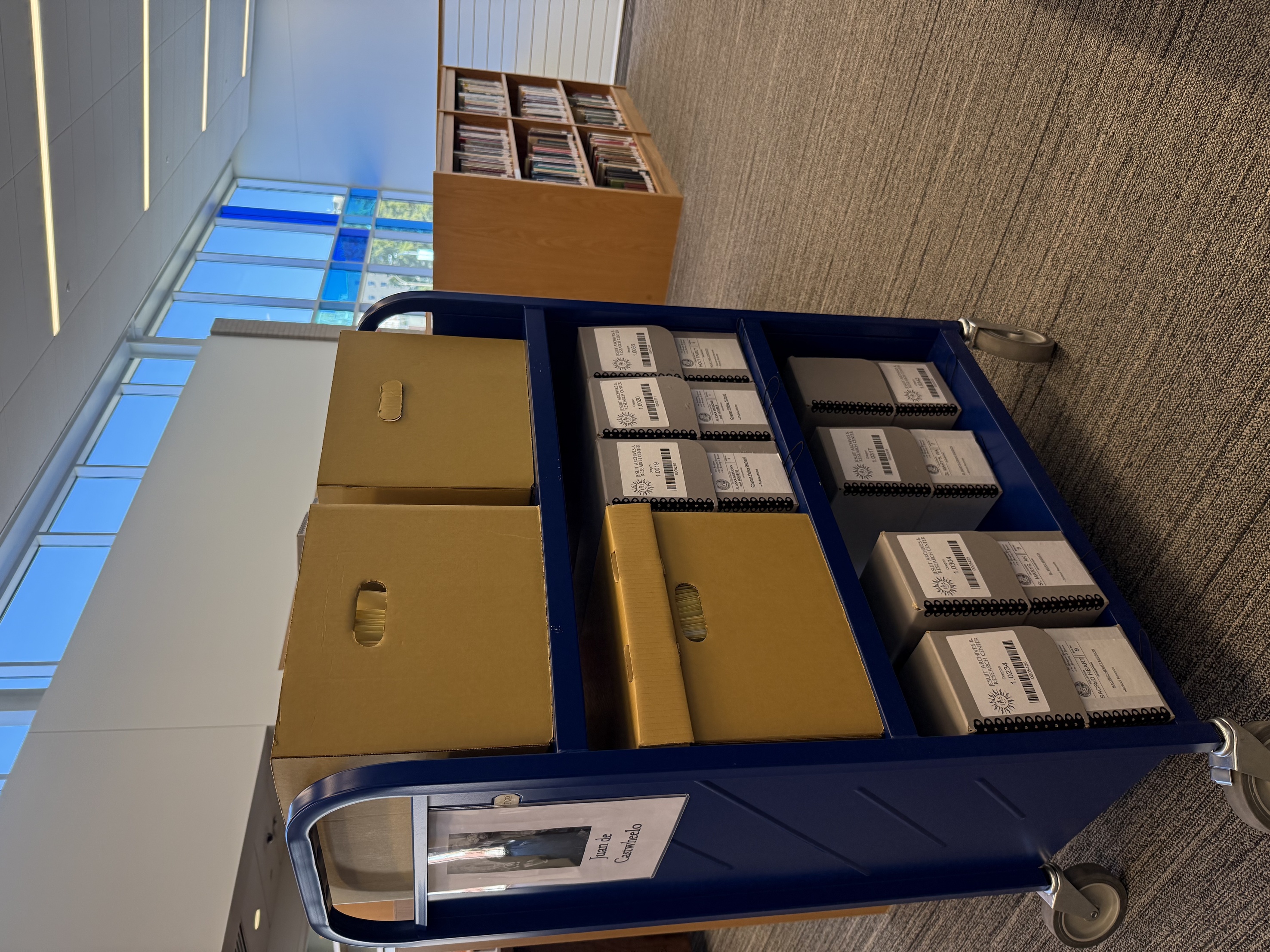
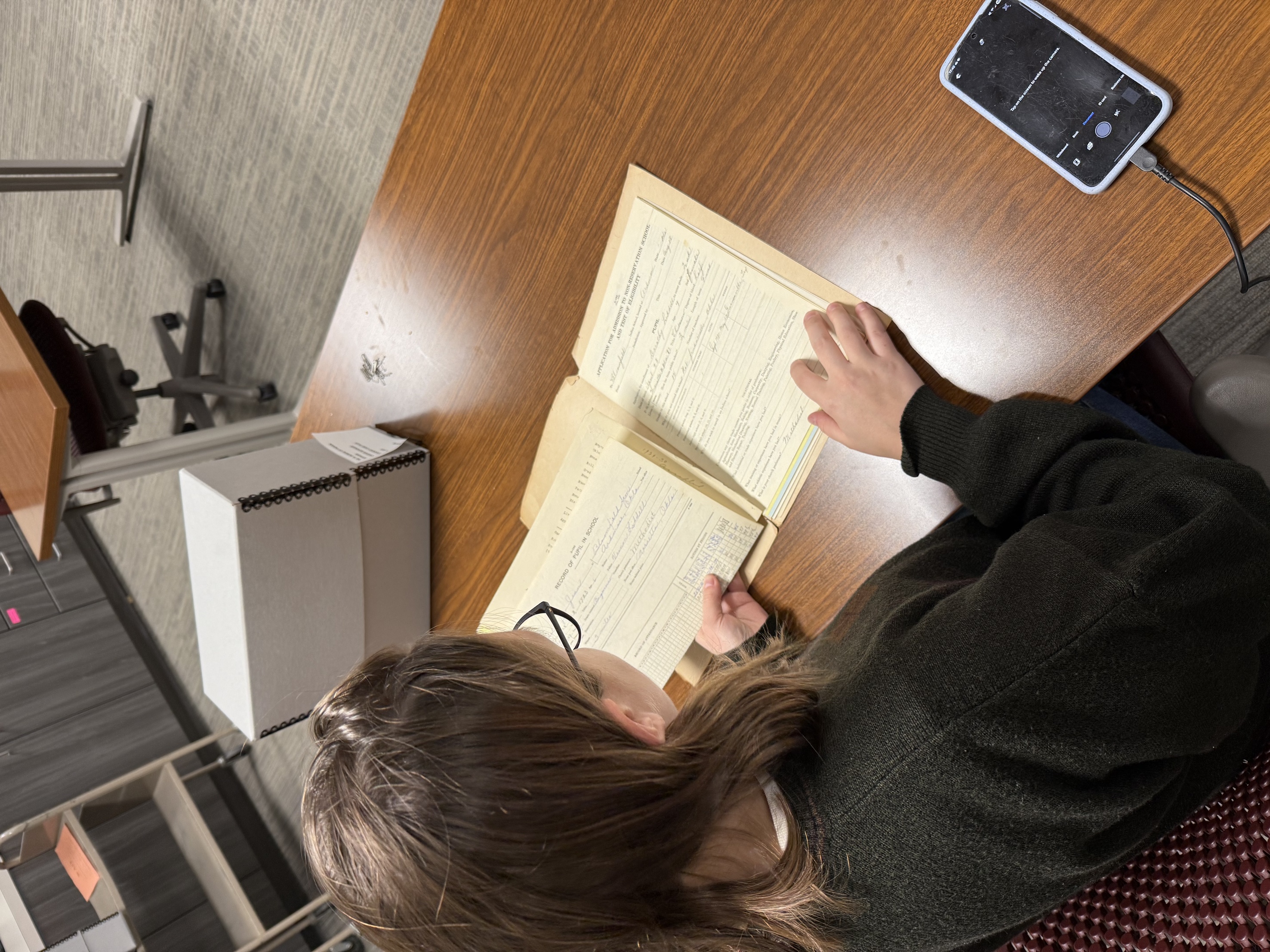
Records from those schools, including student files, exist for over 260,000 survivors; yet, very few living survivors have ever gotten to see them. Some of these files include handwritten letters from family, photographs, drawings, and other very personal items. As time goes on, it is becoming more urgent than ever that we provide survivors with access to Indian Boarding School records.
The Project:
Since 2024, the NPL has maintained a database cataloging over 260,000 Indian Boarding School students whose personal files are inside the U.S. National Archives
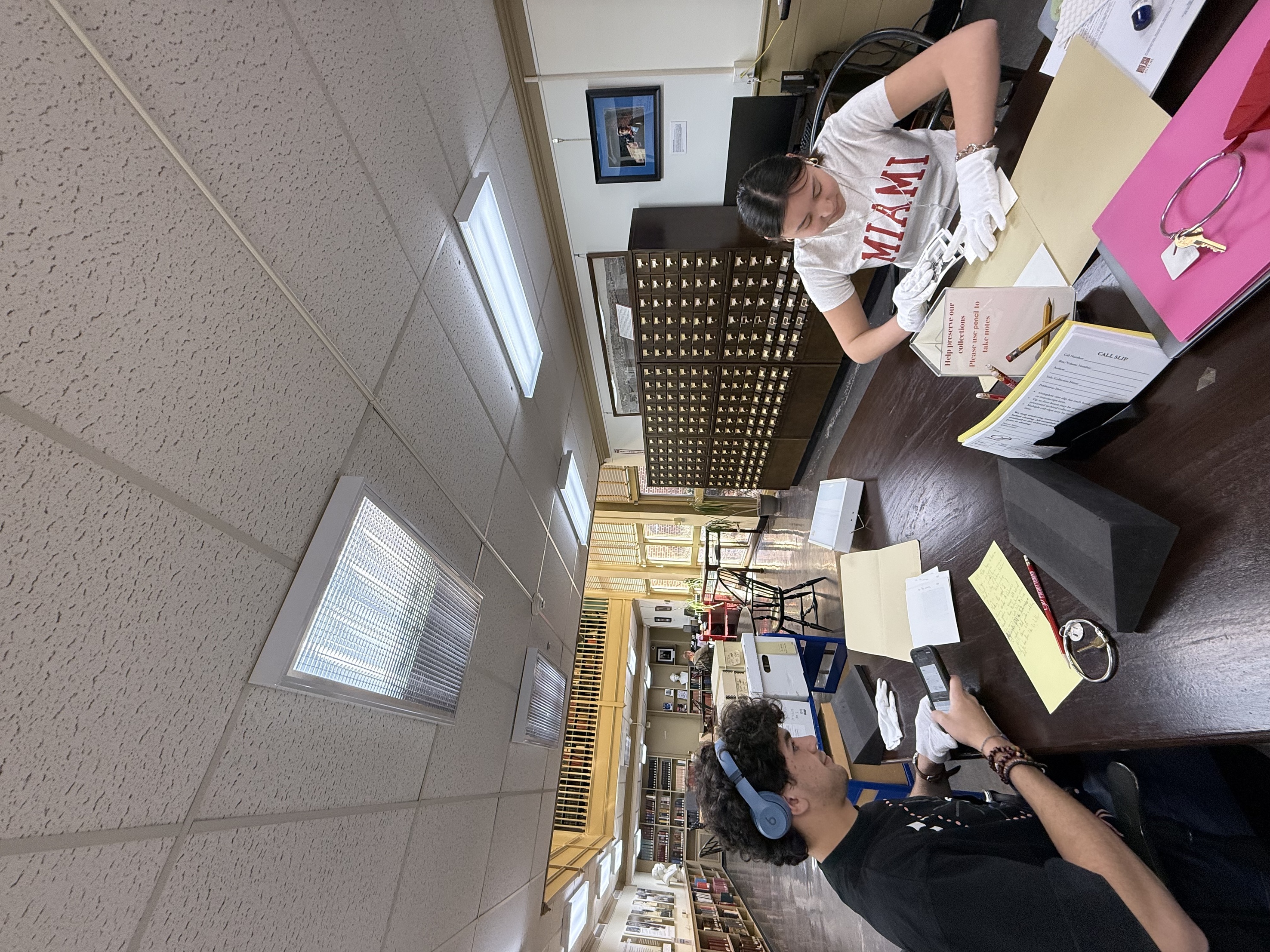
and other historical sites. Now, with a grant from the Mellon Foundation, NPL is undertaking Project Return, an archival research initiative to provide copies of records to Indian Boarding School survivors.
Through the NPL online portal, Indian Boarding School survivors nationwide can request copies of their records free of charge. Project Return is the first national direct-support initiative in the United States for Indian Boarding School survivors.
Timeline:
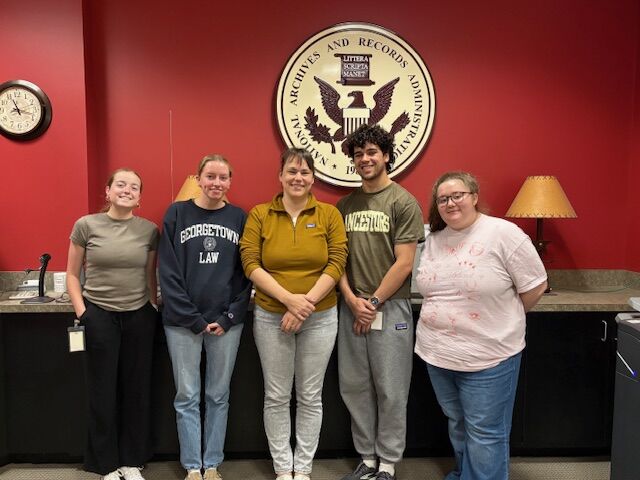
The NPL is working with the National Archives in Fort Worth, Texas, to conduct a pilot of Project Return in 2026. At the conclusion of the pilot, Project Return will launch nationally to accept record requests from any living survivor of Indian Boarding Schools. Currently, the NPL is not accepting requests for records from descendants of survivors of Indian Boarding Schools.
23
Confidentiality
All returned copies of records are kept confidential by the Native Policy Lab. Your records will never be shared publicly or used for research purposes.
Project Trust
Background:
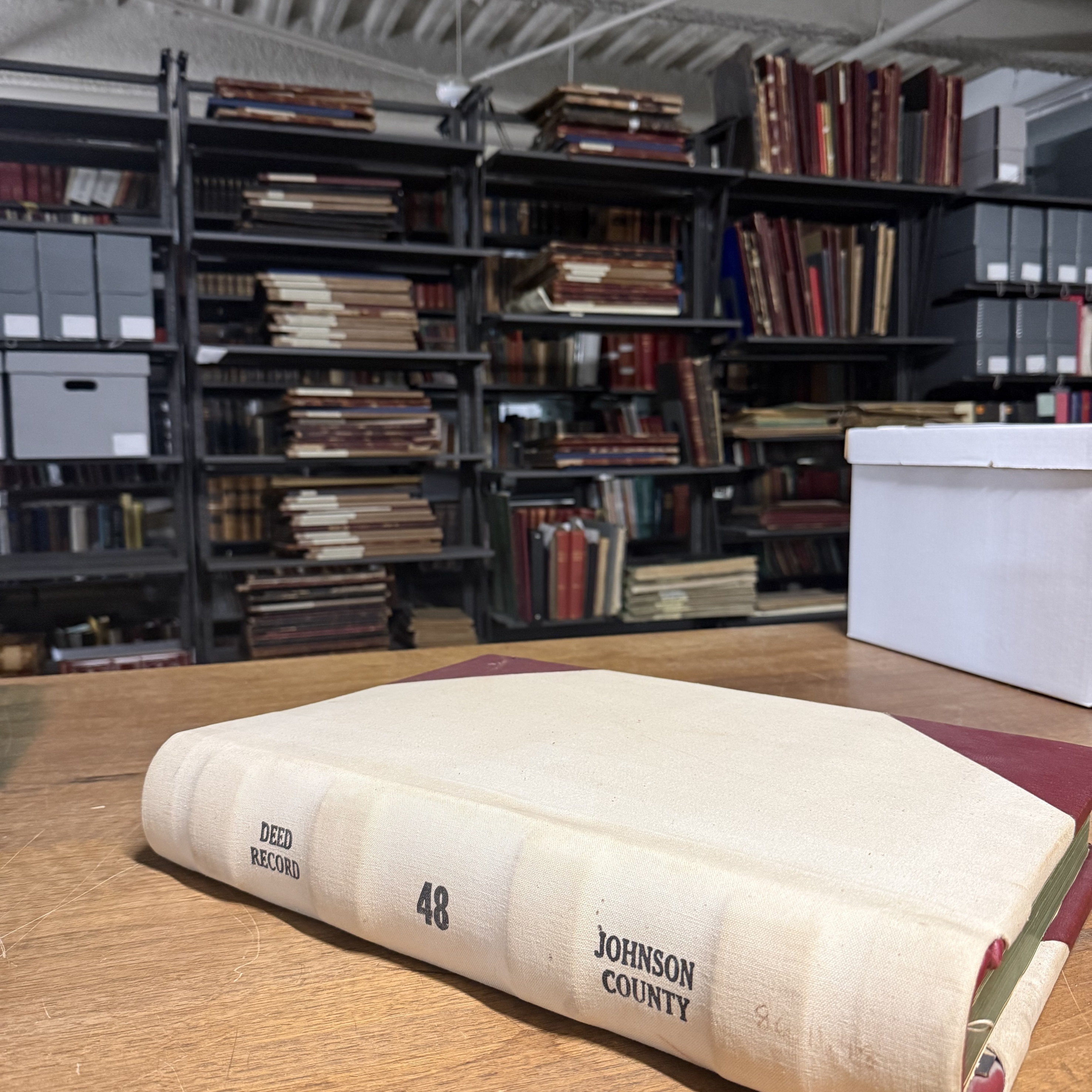
Between the founding of the United States and the early twentieth century, an estimated 1.6 billion acres of land were taken from Native Nations via treaties and allotment. In the decades following the Dawes Act of 1887, the U.S. federal government established a package of land policies that served to limit the sovereignty of Native Nations and individuals, while maximizing profit on land considered “leftover.” Today, all across Indian Country, the consequences of these policies are still being felt. These issues have led to challenges for Native Nations in acquiring additional plots for infrastructure and environmental preservation purposes, making decisions about the way the land is used, and exerting their right to sovereignty via consolidated geographical jurisdiction
The Project:
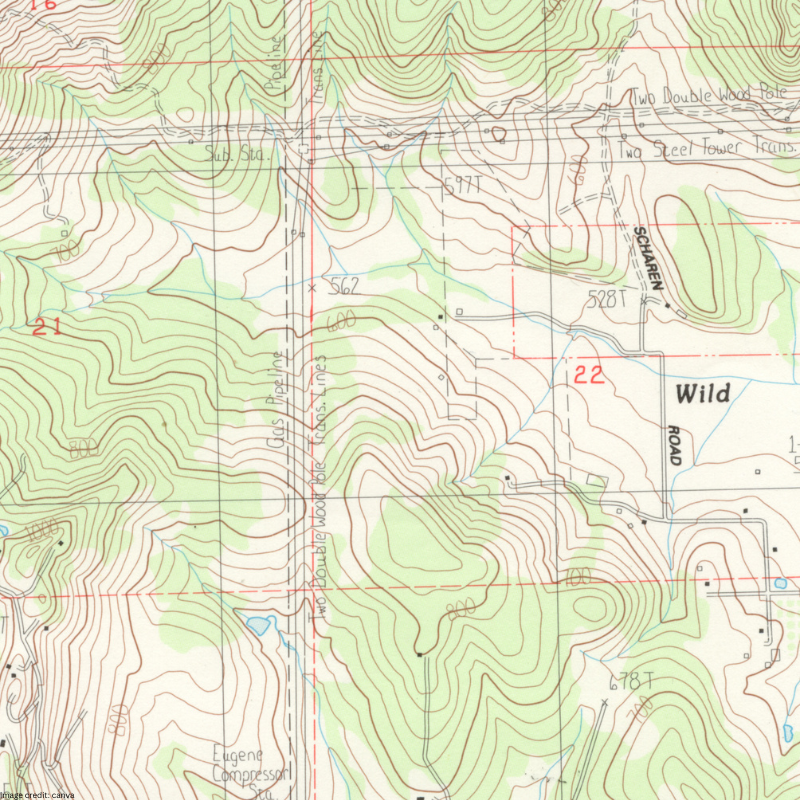
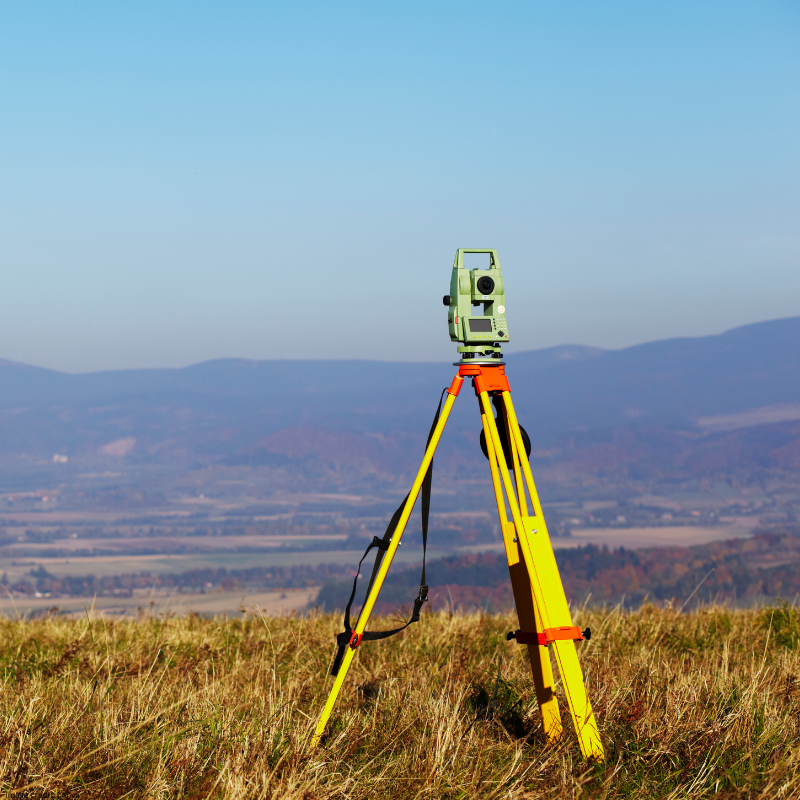
Through Project Trust, the Native Policy Lab is partnering with Tribes on projects related to historical land research, land surveying, and land mapping. Working with Tribes and other experts, the NPL will create data-driven resources to support Tribal land management capacity.
If you are a Tribal representative interested in learning more, please contact us at native-policy-lab@uiowa.edu

Funding Acknowledgement
Native Policy Lab projects are made possible by funding from the Mellon Foundation.
The Andrew W. Mellon Foundation is the nation’s largest supporter of the arts and humanities. Since 1969, the Foundation has been guided by its core belief that the humanities and arts are essential to human understanding. The Foundation believes that the arts and humanities are where we express our complex humanity, and that everyone deserves the beauty and empowerment that can be found there. Through grants, the Foundation seeks to build just communities enriched by meaning and guided by critical thinking, where ideas and imagination can thrive. Learn more at mellon.org.